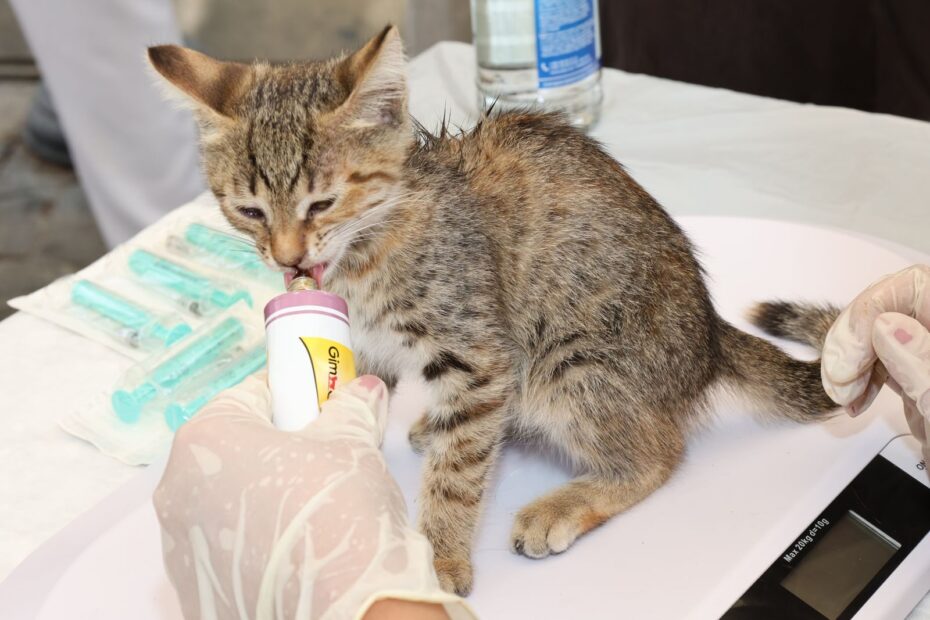
There’s a right way to switch your pet’s food to avoid digestive upset. You can protect your pet’s health by making the change gradually over 7 to 10 days. This guide shows you how to blend old and new food in increasing proportions, monitor your pet’s response, and ensure a smooth, safe transition every time.
Identifying Key Nutritional Factors
Your pet’s dietary needs depend on more than just taste or brand popularity. You must consider species-specific requirements, life stage, and health status. A balanced diet supports immune function, energy, and long-term wellness.
- Protein source and digestibility
- Fat content for energy and skin health
- Fiber levels for digestion
- Vitamins and minerals tailored to species
The right balance ensures your pet thrives during the transition.
Assessing age and activity level requirements
Even a small dog with high energy has different needs than a senior cat with limited mobility. Puppies and kittens require more calories and nutrients for growth, while older animals often need joint support and fewer calories. Active pets burn more energy and may benefit from higher protein or fat. Matching food to your pet’s life stage and daily routine prevents weight gain or nutrient deficiencies. The best choice reflects their current physical demands.
Evaluating ingredient quality and potential allergens
Assuming all ingredients labeled “meat” are equal leads to poor choices. Look for named protein sources like “chicken” instead of “meat meal,” and avoid excessive fillers like corn or soy. Some pets react to common allergens such as beef, dairy, or wheat. Check for consistent ingredient sourcing and minimal artificial additives. The goal is a clean, transparent label that supports your pet’s sensitivities.
Plus, high-quality ingredients are more bioavailable, meaning your pet absorbs more nutrients from less food. This reduces waste and supports better coat condition, energy, and digestion. Watch for signs of intolerance-itching, gas, or loose stools-when introducing new proteins. Rotate proteins cautiously and keep a log to track responses. Knowing exactly what’s in each meal gives you control over your pet’s long-term health.
How-to Execute a Seven-Day Transition
One effective way to switch your pet’s food is by following a structured seven-day plan. Begin by mixing 25% of the new food with 75% of the old on day one. Gradually increase the proportion of new food every two days, allowing your pet’s digestive system to adapt without shock or discomfort.
Implementing the incremental mixing ratio
There’s a simple method to maintain balance during the switch: start with 25% new food and 75% current food on days one and two. On days three and four, shift to a 50/50 mix. Days five and six use 75% new food, finishing on day seven with 100% new food. This steady progression supports gut health and reduces the risk of upset.
Standardizing meal times for digestive stability
One consistent feeding schedule helps regulate your pet’s digestion during the transition. Feed meals at the same times each day to stabilize enzyme production and bowel activity. Predictable timing minimizes stress on the gastrointestinal tract, especially when combined with gradual food changes.
To support digestive harmony, avoid feeding at random hours or offering large, infrequent meals. Your pet thrives on routine-consistent intervals between meals promote efficient nutrient absorption and reduce the likelihood of bloating or diarrhea. Stick to two to three measured feedings daily, aligned with your pet’s age, size, and energy needs.
Critical Tips for Supporting Digestive Health
Even small changes in your pet’s diet can impact their digestive system. To minimize upset, transition foods gradually over 7-10 days. Monitor stool quality, appetite, and energy levels closely.
- Mix increasing amounts of new food with decreasing amounts of the old
- Feed consistent portions at regular times daily
- Avoid giving table scraps during the transition
Knowing how your pet responds helps you adjust the pace safely.
Incorporating probiotics and digestive enzymes
Little additions like probiotics and digestive enzymes can support gut balance during food changes. These supplements help break down nutrients and encourage healthy bacterial growth in the digestive tract. Many pets benefit from a vet-approved supplement, especially if they have a sensitive stomach. Introduce them at the start of the transition for best results.
Ensuring proper hydration during dietary changes
during dietary shifts, your pet’s fluid needs may increase, especially when switching to dry food or a new protein source. Always provide fresh, clean water and watch for signs of dehydration like dry gums or reduced skin elasticity. Wet food or water additives can help boost intake.
digestive processes rely heavily on water to break down food and absorb nutrients efficiently. When you change your pet’s diet, their body works harder to adapt, making hydration even more necessary. Reduced moisture intake can lead to constipation or discomfort, so encourage drinking by placing multiple water bowls around the house or using a pet fountain to spark interest.
Factors That Impact Transition Duration
For a smooth shift between food types, several factors influence how long the transition should take. Your pet’s age, size, and activity level play key roles. Sudden changes can upset digestion, so pacing matters. Consider these points:
- Your pet’s current diet composition affects adaptation speed
- Older animals often need longer adjustment periods
- Smaller breeds may respond faster than larger ones
- Previous exposure to varied ingredients influences tolerance
Though general guidelines suggest 7-10 days, your pet’s response should guide the pace. Thou must watch for signs of discomfort and adjust accordingly.
Understanding individual metabolic sensitivity
Transition times vary because each pet processes nutrients differently. Some dogs or cats have sensitive digestive systems that react quickly to new proteins or fillers. You may notice softer stools or gas even with gradual mixing. These reactions signal a need for a slower approach-extending the switch over two weeks or more. Your observation is the best tool.
Managing existing health conditions and sensitivities
Even pets with diagnosed issues like kidney disease, diabetes, or food allergies can transition safely with careful planning. Your veterinarian’s input is necessary when underlying conditions exist. Start with vet-approved foods and introduce them in small, incremental amounts. Monitor appetite, energy, and stool quality daily.
individual health challenges such as pancreatitis or inflammatory bowel disease require stricter control over dietary changes. You may need to extend the transition beyond 14 days, using precise ratios of old to new food. Watch for vomiting, lethargy, or skin reactions, and pause the switch if symptoms arise. Your consistency ensures safety.
How-to Overcome Food Aversion and Pickiness
Once again, your pet’s reluctance to eat a new food may not signal defiance but rather a natural hesitation toward change. Animals thrive on routine, and sudden shifts in diet can trigger suspicion or disinterest. You can address this by gradually introducing the new food mixed with the old, allowing your pet’s senses to adapt. Patience and consistency are key-forcing a change too quickly often backfires.
Techniques for enhancing kibble palatability
Assuming your pet turns their nose up at dry food, small adjustments can make a big difference. Try warming the kibble slightly or adding a splash of low-sodium broth to release aromas. Mixing in a spoonful of wet food or plain cooked meat can also entice reluctant eaters. These simple tweaks appeal to your pet’s sense of smell and taste without compromising nutritional balance.
Establishing a positive feeding environment
Now, focus on where and how you feed. Choose a quiet, low-traffic area free from distractions like loud noises or other pets. Use a clean, familiar bowl and maintain a consistent feeding schedule. A calm, predictable setting helps your pet associate mealtime with comfort, not stress.
Howto create lasting positive associations: serve meals in the same spot every day and avoid hovering or overreacting if your pet hesitates. Let them explore the food at their own pace. Over time, this routine builds confidence and reduces anxiety, making transitions between food types smoother and more successful.
Practical Tips for Monitoring Physical Response
After switching your pet’s food, observe their overall behavior and physical condition closely. Watch for signs like itching, dull coat, lethargy, or digestive upset.
- Check skin for dryness or redness
- Monitor energy levels throughout the day
- Note any changes in appetite or water intake
The most effective way to assess tolerance is consistent, daily observation during the first two weeks.
Observing changes in coat, skin, and energy
Response to new food often shows in your pet’s coat and skin within a few weeks. A shiny coat and supple skin suggest good nutrient absorption, while flakiness or excessive shedding may signal intolerance. Lethargy or unusual hyperactivity can also reflect how well the diet meets energy needs. Pay attention to these subtle shifts-they offer clear insight into internal health.
Tracking stool quality and bowel movements
bowel consistency is one of the most reliable indicators of dietary compatibility. Firm, well-formed stools mean digestion is on track, while loose, greasy, or unusually hard stools suggest an issue. Track frequency and volume daily during the transition. Sudden changes may require slowing the switch or consulting your vet.
Understanding what normal stool looks like for your pet helps you spot red flags early. Look for changes in color, odor, or the presence of mucus or undigested food. These details matter because they reflect how efficiently your pet’s digestive system is processing the new ingredients. Consistency over time builds a clearer picture than any single observation.
Final Words
Hence, transitioning your pet between food types requires patience, observation, and a structured approach. You must introduce the new food gradually over 7 to 10 days, mixing increasing amounts with the current diet to support digestive adaptation. Watch for signs of discomfort, allergies, or refusal, adjusting the pace as needed. Consistency and close monitoring ensure your pet accepts the change without health setbacks. Your role in managing this process directly impacts their long-term well-being.