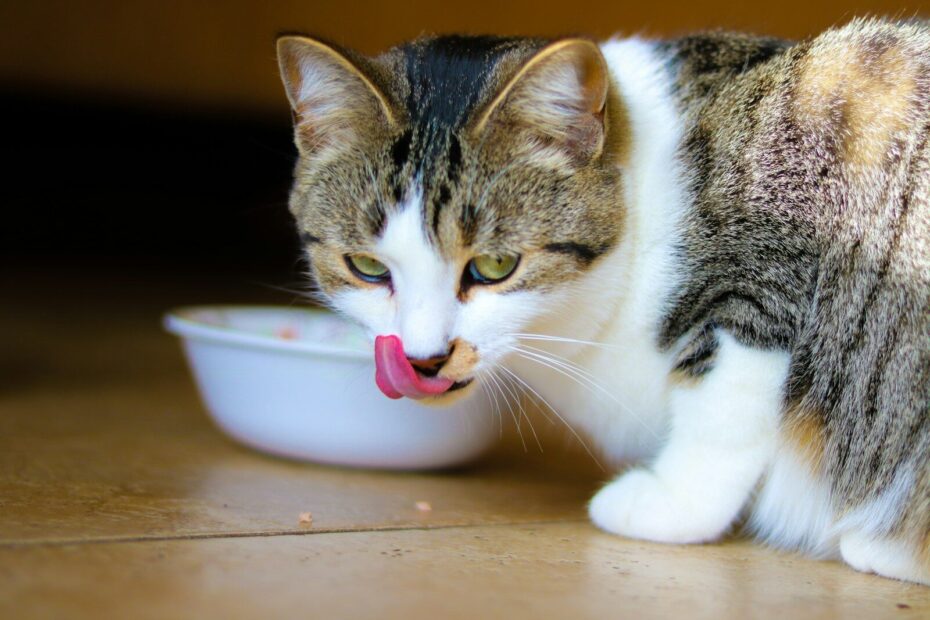
Over your cat’s lifetime, their nutritional needs shift significantly. You must adjust portion sizes and feeding frequency based on age, activity level, and health. From energetic kittens to senior cats with slower metabolisms, each life stage demands a tailored approach to feeding for optimal well-being.
The Early Hunger of Kittens
While your kitten may seem tiny, its appetite is anything but. From birth to one year, your cat undergoes rapid physical and neurological development, demanding frequent, nutrient-dense meals. Their small stomachs can’t hold large amounts at once, so feeding three to four times a day ensures they get the energy and nutrients needed for healthy growth.
Transition from the mother
Before six weeks, kittens rely solely on their mother’s milk, which provides ideal nutrition and immune support. Around four weeks, you can begin introducing wet or softened kitten food alongside nursing. Gradually increase solid food while decreasing nursing sessions, aiming for full weaning by eight to ten weeks. Monitor your kitten’s weight and stool during this shift to ensure a smooth transition.
Fuel for the growing frame
Among the most important nutrients for your kitten are protein, calcium, and DHA for brain development. High-quality kitten food delivers these in the right balance, supporting strong bones, a shiny coat, and a healthy immune system. Feed a formula specifically designed for kittens, as adult cat food lacks the intensity of nutrition growing bodies require.
Understanding your kitten’s metabolic needs helps you choose food that supports sustained energy and proper organ development. Kittens burn calories quickly, so consistent feeding with nutrient-rich food prevents energy dips and supports muscle growth. Always provide fresh water and follow feeding guidelines on the food label, adjusting based on your vet’s recommendations and your kitten’s activity level.
The Adult in His Prime
Some adult cats thrive on consistency, needing balanced nutrition that supports their energy without excess. Between one and seven years old, your cat’s metabolism stabilizes, so portion control becomes key. Feed high-quality food with real animal protein, adjusting amounts based on activity, weight, and health. Always provide fresh water and monitor body condition to prevent overfeeding.
Rations for the active prowler
To fuel a playful or outdoor-access cat, slightly increase daily portions with nutrient-dense food. Active cats burn more calories, so look for formulas rich in animal-based protein and healthy fats. Divide meals into two or more feedings to support digestion and maintain energy. Avoid free-feeding to prevent overconsumption, even in energetic cats.
Maintaining the lean muscle
Beside proper calories, your adult cat needs protein to preserve strong, lean muscle. Aim for diets with at least 30-40% protein from meat sources on a dry matter basis. Pair nutrition with interactive play to stimulate movement and muscle engagement. Adjust portions if you notice weight shifts, and consult your vet if muscle loss occurs.
A consistent protein intake supports tissue repair and metabolic health, especially in cats that spend time climbing or chasing. Muscle mass declines silently without adequate nutrition and activity, so monitor your cat’s physique regularly. A sleek, toned body with a tucked waistline indicates you’re on track.
The Mature Cat and the Slowing Pace
One of the most noticeable shifts in your cat’s life comes during maturity, typically between 7 and 10 years of age. Metabolism slows, activity levels often decrease, and nutritional needs change accordingly. You may find your cat sleeping more and showing less interest in play. This natural transition means their caloric requirements are lower than in their prime adult years, making portion control crucial to prevent unwanted weight gain.
Adjusting the daily intake
Around age 7, your cat’s daily caloric needs can drop by 10-20%. You should reassess portion sizes and consider switching to a senior-formulated diet that supports joint health, kidney function, and digestion. Monitor your cat’s body condition closely-adjust food amounts if you notice weight gain or loss. Feeding smaller, more frequent meals may also aid digestion and maintain energy balance.
The risk of the heavy coat
coat changes in mature cats can mask weight gain. A thick or long coat may hide excess fat, making it harder to assess your cat’s true body condition. You should regularly run your hands over their ribs and spine-ideally, you should feel slight resistance but still detect the bones easily. Overlooking hidden weight gain increases health risks like diabetes and arthritis.
risk of misjudging your cat’s weight rises when visual cues are obscured by fur. Even cats with short coats can develop subtle fat deposits around the abdomen or base of the tail. Relying solely on appearance leads to delayed interventions. Make hands-on assessments part of your weekly routine, and consult your vet if you’re unsure about your cat’s ideal weight.
The Senior in the Winter Years
Many senior cats experience slower metabolisms and reduced activity, meaning their caloric needs often decrease. You should adjust portions accordingly to prevent weight gain, while ensuring your cat still receives complete nutrition. Monitor your cat’s body condition closely and consult your veterinarian to tailor feeding plans as health needs evolve in these later years.
Nutrients for the aging body
Winter brings colder temperatures and potential joint stiffness, making nutrient support necessary. Your senior cat benefits from diets rich in omega-3 fatty acids, antioxidants, and high-quality protein to support immune function, kidney health, and mobility. Controlled levels of phosphorus and sodium also help maintain organ function. Feeding a formula designed for seniors ensures your cat gets the right balance to thrive during this life stage.
Soft textures for the teeth
Along with age-related health shifts, dental issues become more common. Softer foods are easier for your cat to chew and digest, especially if tooth loss or gum disease is present. Wet or moistened diets can encourage consistent eating and hydration, supporting overall well-being.
teeth problems can lead to reduced appetite if food is too hard or painful to eat. Choosing pâté-style wet food or adding warm water to kibble softens the texture and enhances aroma, which appeals to older cats with diminished senses. This small adjustment supports consistent intake and helps maintain muscle mass and energy levels.
The Choice of the Kill
Once again, your cat’s diet hinges on mimicking the natural balance of prey. Cats are obligate carnivores, built to thrive on animal protein, moisture, and minimal carbohydrates. The food you choose should reflect what they would consume in the wild-high-quality meat with adequate hydration.
The benefits of the wet tin
One advantage of wet food is its high moisture content, supporting kidney and urinary tract health. It closely resembles the water-rich prey cats would eat in nature. You’ll often see improved coat condition and energy levels when wet food is a staple.
The utility of the dry grain
Above all, dry food offers convenience and longer shelf life. It can be left out for free-feeding and supports dental scraping with its texture. While lower in moisture, it delivers concentrated calories and protein in a compact form.
To maintain balance, pair dry food with fresh water and occasional wet meals. Dry kibble works best when used strategically, especially for healthy adult cats with consistent water intake. You control the quality by choosing formulas with real meat and minimal fillers.
Conclusion
From above, you see that your cat’s nutritional needs shift significantly with age. Kittens require frequent, calorie-dense meals to support rapid growth, while adult cats thrive on consistent portions tailored to activity and health. Senior cats often need fewer calories but higher-quality protein and added joint support. You must adjust portions and food type at each stage to maintain optimal health. Relying on body condition and veterinary feedback ensures accuracy over generic feeding charts.
You are responsible for observing your cat’s appetite, energy, and weight. These signs guide whether to increase, reduce, or maintain food amounts. Feeding by life stage isn’t just about quantity-it’s about matching nutrition to biological needs. Your attention to these details leads to a longer, healthier life for your cat.