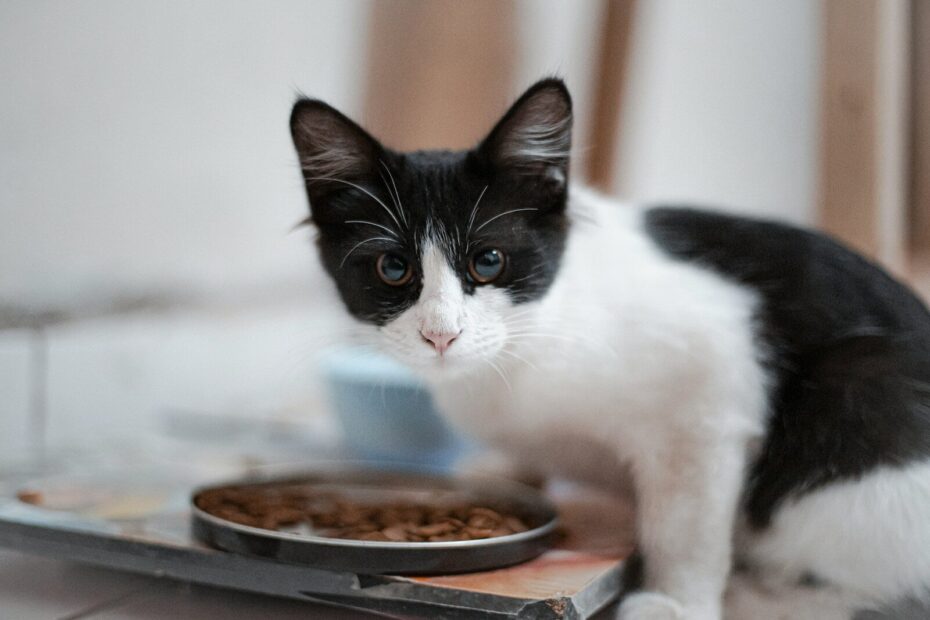
Most cats experience metabolic and physiological shifts as they age, directly affecting what they need from their diet. You may notice changes in activity, digestion, or coat condition, signaling that your senior cat requires adjusted levels of protein, fat, fiber, and necessary nutrients. Understanding these changes helps you support their health and longevity effectively.
The Slowing Engine
For your aging cat, metabolism slows just like an engine losing RPMs over time. This natural decline means fewer calories are burned each day, even if activity levels appear unchanged. You may notice your cat gaining weight despite eating the same amount, a clear sign that energy needs have shifted. Adjusting portion sizes and monitoring body condition become crucial to prevent obesity-related health issues.
Caloric Reduction
Against the instinct to feed your senior cat the same as before, reducing daily caloric intake is often necessary. Older cats burn fewer calories due to decreased physical activity and slower metabolic rates. Overfeeding can lead to excess weight, straining joints and organs. You should assess your cat’s ideal weight with your veterinarian and adjust food amounts accordingly, choosing nutrient-dense, lower-calorie formulas when needed.
Fat Metabolism
The way your senior cat processes fat changes with age. While fat remains a key energy source, older systems may struggle to break it down efficiently. Too much dietary fat can contribute to weight gain or digestive upset, but too little may lead to poor coat condition or energy deficits. Balancing fat content with high-quality protein and fiber supports sustained health.
Indeed, your cat’s liver becomes less efficient at processing fats over time, which can impact energy availability and nutrient absorption. You may observe a duller coat or reduced stamina, signs that fat quality and quantity in the diet need refinement. Opt for diets with easily digestible fats like chicken fat or fish oil, rich in omega-3s, to support joint and cognitive health without overburdening the system.
The Essential Meat
One of the most important shifts in your senior cat’s diet is the need for high-quality animal protein. As your cat ages, their ability to digest and utilize protein declines, making it important to provide meat sources that are easily absorbed. Older cats thrive on diets rich in real meat, such as chicken, turkey, or fish, which supply the amino acids necessary for organ function, immunity, and energy.
Protein Quality
Beside the amount of protein, the quality determines how well your cat benefits from it. High biological value proteins-those from whole animal sources-contain the full spectrum of important amino acids your cat can’t produce on their own. These proteins are more efficiently used by the body, reducing waste and supporting metabolic health. Look for named meat ingredients at the top of the ingredient list, not by-products or plant-based substitutes.
Muscle Preservation
Among the visible signs of aging in cats is the gradual loss of muscle mass, known as sarcopenia. This decline affects mobility, balance, and overall strength. Feeding a diet rich in high-quality protein helps slow this process by providing the building blocks needed to maintain lean tissue. Consistent intake of animal-based protein supports muscle integrity well into your cat’s later years.
Further support for muscle preservation comes from balanced amino acid profiles, especially adequate levels of taurine and arginine. These nutrients, found abundantly in meat, directly influence muscle function and protein synthesis. When your senior cat consumes a diet centered on real meat, you’re not just feeding them-you’re actively helping them stay strong, agile, and resilient as they age.
The Weary Organs
Assuming your cat is entering their senior years, their internal organs naturally lose some efficiency. The kidneys, liver, and digestive system work harder to process waste and absorb nutrients, making dietary adjustments necessary. These changes mean your cat may struggle to maintain hydration, filter toxins, or extract energy from food as effectively as before. Supporting organ function through targeted nutrition becomes a daily priority.
Renal Support
Among aging cats, kidney function commonly declines due to years of filtration stress. Your cat may produce more dilute urine or show signs of dehydration, signaling early renal compromise. Feeding a diet lower in high-quality protein and phosphorus reduces strain on the kidneys. Moisture-rich foods, like wet or canned diets, help maintain hydration and support ongoing filtration.
Mineral Balance
With age, your cat’s ability to regulate minerals like phosphorus, sodium, and calcium shifts. Excess phosphorus can accelerate kidney decline, while sodium impacts blood pressure and fluid retention. Your cat’s food should reflect adjusted mineral levels that align with their changing physiology. Monitoring these components helps sustain internal equilibrium.
Balance means providing enough vital minerals for bodily functions without overburdening compromised systems. Your cat doesn’t need less nutrition-just smarter nutrition. Precision in mineral content protects organ health and promotes longevity, making label reading a practical step in daily care.
The Need for Water
Despite your cat’s natural tendency to drink little, proper hydration becomes increasingly important as they age. Older cats are more prone to kidney issues, urinary tract disease, and dehydration due to reduced thirst sensitivity and declining organ function. You may notice your senior cat drinking less or visiting the litter box more often-signs that call for closer attention to fluid intake. Ensuring consistent access to fresh water supports kidney health and overall well-being in their later years.
Canned Rations
Between 60% and 80% of a canned food’s composition is water, making it a powerful tool for boosting your senior cat’s hydration. Dry kibble, in contrast, contains only about 10% moisture. By incorporating wet food into their daily meals, you directly increase their fluid intake with every bite. Many older cats also find the texture and aroma of canned food more appealing, especially if they’re experiencing dental discomfort or diminished senses.
Hydration Methods
After observing your cat’s drinking habits, consider adjusting how water is offered. Some cats prefer running water, so a pet fountain may encourage more frequent sipping. Place multiple clean bowls in quiet, accessible areas away from food and litter. You can also add warm water to canned food to create a broth-like consistency that appeals to picky or dehydrated seniors.
The key is consistency and observation. Monitor how much your cat drinks daily and watch for signs like dry gums, lethargy, or decreased skin elasticity, which suggest dehydration. Experiment with bowl materials-ceramic or stainless steel may be more appealing than plastic. Your proactive approach to hydration directly supports your cat’s longevity and comfort in their golden years.
The Fading Senses
Keep in mind that as your cat ages, their senses of smell and taste decline, making meals less appealing. This can lead to reduced appetite and unintended weight loss. Adjusting food characteristics helps maintain their interest in eating and supports proper nutrition during their senior years.
Enhanced Aroma
Before your cat loses interest in food entirely, consider switching to options with stronger scents. Warming the food slightly can also help release aromatic compounds that stimulate appetite. Cats rely heavily on smell to assess food, so a more fragrant meal often encourages them to eat.
Softer Texture
Enhanced tenderness in food makes it easier for older cats to chew, especially if they’re dealing with dental issues or gum sensitivity. Dry kibble may become less practical over time. Transitioning to wet or moistened food supports comfortable eating and consistent intake.
To improve your cat’s mealtime experience, choose foods with a smooth, soft consistency that require minimal chewing. These textures reduce discomfort from oral health problems, which are common in aging cats. Moist foods also contribute to hydration, supporting kidney function and overall well-being.
To wrap up
Conclusively, your cat’s nutritional needs shift as they age, requiring adjustments in protein, fat, and fiber intake to support declining organ function and reduced activity levels. Senior cats often need fewer calories but higher-quality protein to maintain muscle mass and joint health. You must monitor changes in weight, coat condition, and energy to tailor their diet effectively. Hydration becomes more critical with age, especially for cats prone to kidney issues.
Your veterinarian is your best resource for identifying the right diet as your cat enters their later years. Regular checkups help catch metabolic changes early, allowing for timely dietary modifications that support longevity and quality of life.