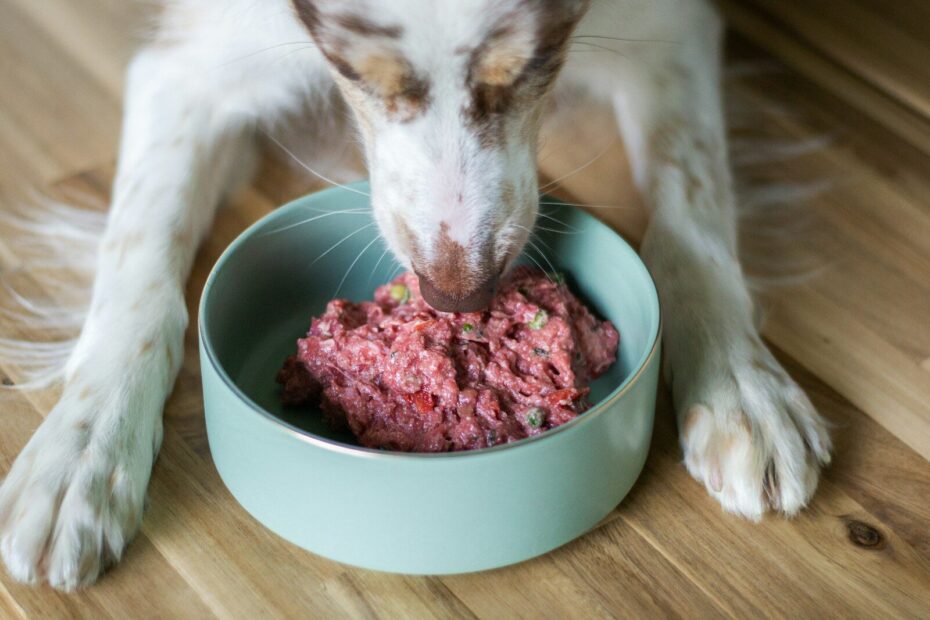
There’s growing interest in what you feed your pet, especially when comparing fresh pet food to canned wet food. You want to know which option delivers better nutrition, ingredient quality, and long-term health benefits. This comparison breaks down key nutritional differences to help you make an informed decision for your pet’s diet.
The Fresh Fare of the Fields
For pet owners seeking a closer alignment with natural diets, fresh pet food offers ingredients you’d recognize from your own kitchen-real meats, vegetables, and fruits prepared with minimal processing. You see chicken, not chicken meal, and carrots instead of powdered extracts. This transparency allows you to know exactly what your pet consumes with each meal.
You control portion freshness and avoid long-term preservatives, as most fresh options are designed for refrigeration and short shelf lives. The preparation mirrors home-cooked meals, supporting digestibility and nutrient retention in a way that benefits your pet’s long-term health.
The Sturdy Reliability of the Can
A canned wet food sits on grocery shelves with quiet confidence, offering consistent nutrition in a format that resists spoilage and ensures safety. You benefit from precise nutrient profiles, as manufacturers carefully balance proteins, fats, and vitamins before sealing each can. The airtight environment preserves freshness without relying on artificial preservatives, giving you a long shelf life and peace of mind.
You can trust that every bite delivers the same quality, batch after batch, because strict production standards govern commercial canned formulas. This reliability makes it a practical choice for daily feeding, especially when balanced meals matter most.
Nutrient Strength and Digestibility
To get the most from your pet’s food, you need nutrients they can actually use. Fresh pet food typically contains higher levels of bioavailable proteins, enzymes, and imperative fatty acids because it undergoes minimal processing. Your pet absorbs more nutrition from raw or lightly cooked ingredients, leading to better muscle maintenance and energy levels.
Canned wet food retains moisture and many nutrients due to its cooking method, but high heat can degrade some vitamins and amino acids. You may need to supplement certain diets to meet full nutritional needs. Digestion is generally good due to soft texture, but individual responses vary based on ingredient quality and your pet’s metabolism.
The Price of a Glossy Hide
Some pet owners notice shinier coats and healthier skin after switching to fresh pet food, often linking these changes directly to higher nutrient quality. Fresh ingredients like omega-rich fish oils and unprocessed meats support skin and coat health more effectively than some canned alternatives with fillers and stabilizers.
You pay for these visible benefits-fresh food typically costs 20-50% more per meal than premium canned wet food. While the results may impress, consider whether the cosmetic improvements justify the ongoing expense based on your pet’s overall health needs.
Matters of Taste and Texture
If your pet turns their nose up at kibble but licks the bowl clean after fresh food, texture and aroma are likely influencing their preference. Fresh pet food typically has a softer, more natural consistency and a stronger smell, closely resembling whole ingredients like meat, vegetables, and herbs. This can be especially appealing to picky eaters or older pets with diminished senses.
Canned wet food offers a smoother, uniform texture with a high moisture content, but often includes thickeners and stabilizers to maintain form. While many pets accept it readily, some respond better to the varied mouthfeel of fresh meals. Your pet’s reaction to each type gives you direct insight into what satisfies their palate and chewing habits.
The Importance of Internal Irrigation
Clearly, your pet’s hydration plays a central role in organ function, digestion, and toxin elimination. Fresh pet food typically contains 60-75% moisture, closely mirroring what animals consume in the wild. This natural water content supports kidney health and reduces strain on the urinary system.
Canned wet food also provides substantial hydration, often ranging from 70-80% water. You can rely on either option to contribute meaningfully to your pet’s daily fluid intake, especially if they are prone to drinking less from their water bowl. Consistent internal hydration helps maintain energy levels and overall metabolic efficiency.
Final Words
Summing up, fresh pet food typically offers higher-quality ingredients and fewer preservatives than canned wet food, giving you greater control over your pet’s diet. You see clearer benefits in digestion, energy, and coat health when feeding fresh, minimally processed meals. Canned food still provides adequate moisture and nutrition, especially for pets needing hydration or convenience. Your choice depends on your pet’s specific needs, lifestyle, and access to fresh options. You can make an informed decision by weighing nutrient density, ingredient transparency, and daily practicality.