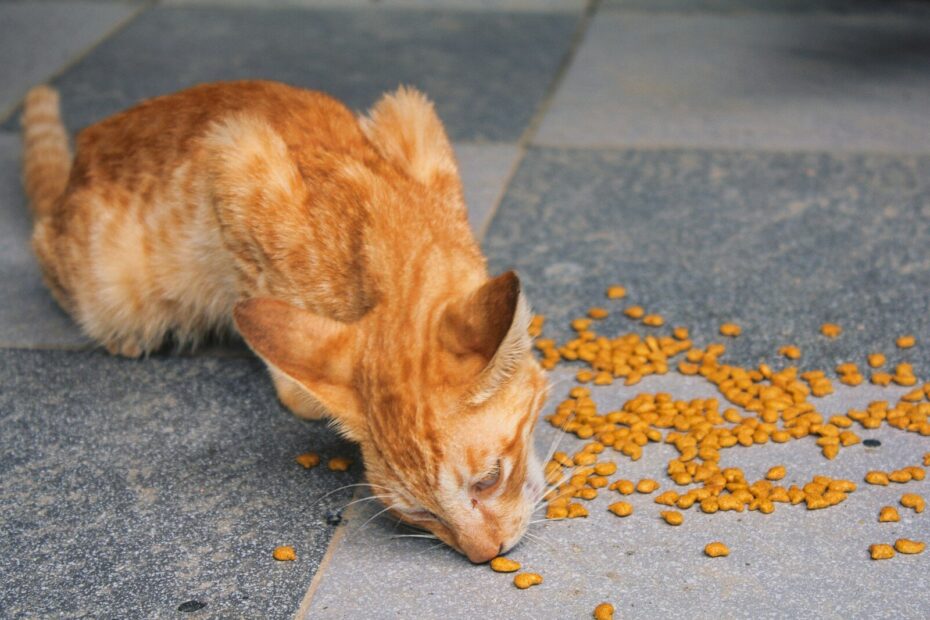
Nutrition plays a direct role in your cat’s long-term health, and taurine is a key amino acid they cannot produce on their own. Without daily dietary taurine, your cat risks serious heart, vision, and immune problems. You must provide it through animal-based proteins in every meal to support their natural biological needs.
The Obligate Carnivore’s Burden
Before you consider simplifying your cat’s diet with plant-based alternatives, understand this: cats are obligate carnivores, biologically designed to thrive on animal tissue. Their bodies cannot synthesize certain nutrients in sufficient amounts, making daily intake of specific compounds non-negotiable. One such compound is taurine, an amino acid abundant in meat but absent in plants. Without it, your cat faces irreversible health risks, including heart and vision problems.
The hunt for vital proteins
Above all, your cat relies on you to provide the nutrients it can’t make on its own. Taurine is not used to build proteins but plays crucial roles in bile salt formation, eye health, and heart function. Since cats lack the ability to produce enough taurine independently, they must obtain it daily from animal-based sources. Skipping even a few days can begin to deplete their reserves, leading to serious consequences over time.
Why plants fail the cat
An animal-based diet isn’t a preference for your cat-it’s a biological necessity. Plants do not contain taurine, and cats cannot convert plant nutrients into the forms their bodies require. Even fortified vegetarian diets fall short because synthetic taurine may not be as effectively absorbed. Your cat’s digestive system is short and acidic, optimized for meat, not fiber fermentation.
A plant-based diet cannot meet your cat’s metabolic demands. Cats lack the enzymes needed to process plant-derived precursors into usable taurine. Over time, deficiency leads to dilated cardiomyopathy and retinal degeneration. No amount of supplementation can fully compensate for a diet that ignores feline biology. You hold the responsibility to feed accordingly.
A Heart That Must Beat
Any cat relies on taurine to maintain a strong, healthy heart. Without daily intake, the heart muscle weakens, impairing its ability to pump blood efficiently. You may not see signs at first, but damage builds silently over time.
The threat of cardiomyopathy
That condition is called dilated cardiomyopathy, and it can lead to heart failure. Taurine deficiency directly impacts the heart’s structure, reducing its ability to contract. You might notice your cat breathing heavily or avoiding activity-early red flags you shouldn’t ignore.
Muscle strength and survival
Above all, taurine supports the integrity of skeletal and cardiac muscle. Without it, your cat can lose strength, coordination, and stamina. Daily taurine intake ensures muscles function properly, helping your cat stay active and responsive.
In fact, muscle cells depend on taurine to regulate calcium and protect against oxidative stress. When levels drop, muscle degeneration follows, affecting mobility and overall survival. You play a direct role in preventing this by choosing a diet that includes sufficient taurine every day.
Eyes for the Night
There’s a reason your cat moves with such precision in dim light-they’re built to hunt when the world grows quiet and shadows stretch. Their eyes rely heavily on taurine to maintain the health of the retina, the part of the eye responsible for capturing light and sending signals to the brain. Without daily taurine, that natural night vision begins to fade, putting their ability to see clearly at risk.
Preventing retinal decay
Preventing retinal degeneration starts with consistent taurine intake. Cats cannot produce enough taurine on their own, and a deficiency directly damages photoreceptor cells in the retina. Over time, this leads to irreversible vision loss. Feeding a taurine-rich diet every day protects these delicate structures and supports lifelong eye health.
The clarity of the predator
Below the surface of your cat’s focused gaze lies a visual system fine-tuned by evolution. Taurine supports the rapid processing of movement and contrast, allowing your cat to detect even the slightest twitch in low light. This sharpness isn’t just convenient-it’s central to their identity as hunters.
retinal cells depend on taurine to manage oxidative stress and maintain proper electrical signaling. When taurine levels drop, the rods and cones that detect light deteriorate, blurring the world your cat sees. You play a direct role in preserving this clarity by ensuring taurine is present in every meal.
The Daily Hunger
Despite your cat’s small size, their body demands constant nutritional support to maintain necessary functions. Unlike many animals, cats cannot store certain nutrients for long periods, making daily intake non-negotiable. Taurine, though required in small amounts, plays an outsized role in keeping your cat healthy every single day.
Metabolic limits of the liver
An adult cat’s liver cannot produce enough taurine to meet daily needs. The metabolic pathways responsible are underdeveloped, leaving your cat dependent on dietary sources. Without regular intake, taurine levels drop quickly, increasing the risk of vision loss, heart issues, and weakened immunity.
The need for constant supply
Along with limited production, taurine is rapidly lost through bile and urine. Your cat’s body uses it continuously for heart function, eye health, and reproduction, so gaps in supply have immediate consequences. Feeding taurine-rich meals every day ensures stable levels and long-term well-being.
But skipping even a few meals can begin to deplete reserves, especially in kittens, seniors, or cats with health conditions. You can’t rely on occasional supplementation-daily food must contain adequate taurine to match your cat’s relentless physiological demand.
The Cost of Deprivation
Many cats suffer in silence when their diet lacks taurine, an necessary amino acid they cannot produce on their own. Without daily intake, your cat faces irreversible damage to vital organs. Vision deteriorates, heart function weakens, and immune responses slow. These effects creep in gradually, often unnoticed until serious harm is done. Your cat’s well-being depends on consistent taurine supply-skipping it risks their long-term health.
Physical decline and lethargy
Behind your cat’s sudden disinterest in play or movement may be taurine deficiency. Muscle weakness sets in, making jumps harder and walks shorter. Their coat may lose shine, and breathing can become labored. You might notice they sleep more, not out of contentment but exhaustion. These signs reflect a body struggling to sustain basic functions without this key nutrient.
Reproductive failures in the pride
Beside physical decline, taurine deficiency undermines reproduction. Queens may struggle to conceive, carry kittens to term, or produce healthy offspring. Stillbirths and developmental issues rise when taurine is lacking. Your breeding cat’s ability to sustain a lineage depends on this single nutrient.
A lack of taurine disrupts fetal development, particularly in the eyes and heart. Even if kittens are born alive, they may face blindness or heart defects early in life. Ensuring your cat receives taurine daily protects not just her health, but the viability of any future litters. This nutrient is non-negotiable for reproductive success.
Finding the Source
Not all cat foods provide the taurine your cat needs daily. Taurine is an imperative amino acid that cats cannot produce in sufficient amounts on their own. You must supply it through diet, and the source matters. Natural, animal-based ingredients are the most reliable way to ensure your cat gets enough of this critical nutrient for heart, eye, and immune health.
Real meat and organ tissue
One of the best sources of taurine is real meat, especially organ tissues like heart and liver. These parts contain high concentrations of taurine, closely matching what cats would consume in the wild. When you choose a diet rich in animal protein from quality sources, you directly support your cat’s daily taurine needs without relying on synthetic supplements.
Heat and the loss of nutrients
meat loses taurine when exposed to high heat during processing. Cooking, especially prolonged or high-temperature methods, can degrade this sensitive nutrient. Commercial pet foods that undergo heavy processing may contain less bioavailable taurine unless it’s added back in after cooking.
The extent of taurine loss depends on cooking time and temperature. Grilling, boiling, or extruding meat at high heat breaks down taurine molecules, reducing the final amount available to your cat. To compensate, manufacturers often supplement processed foods, but whole, gently cooked, or raw diets may preserve more natural taurine content.
Final Words
Hence, your cat relies on you to provide taurine daily because their body cannot produce enough on its own. Without it, vision, heart function, and immune health decline rapidly.
You see the effects when your cat is energetic, alert, and thriving-taurine supports those moments. Feeding a balanced diet with sufficient taurine isn’t optional; it’s a daily necessity for your cat’s long-term well-being.