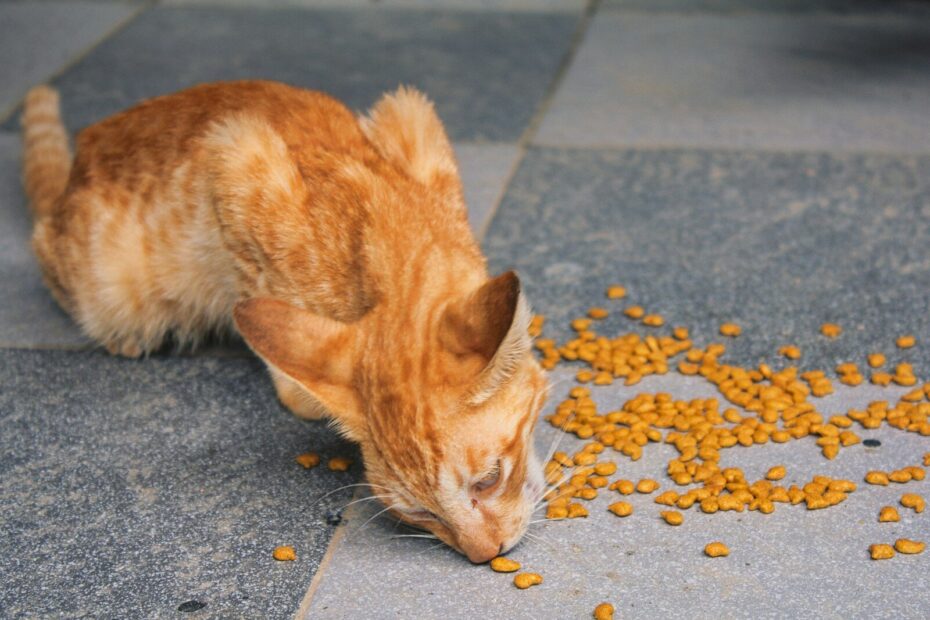
Dehydrated pet food removes moisture through heat over several hours, reducing water content to inhibit bacterial growth. You’ll find it often retains much of the original flavor and nutrients, though some vitamins degrade under heat. Freeze-dried food, in contrast, uses low temperatures and vacuum pressure to preserve raw ingredients, maintaining more enzymes and nutritional integrity. You can rehydrate both types before serving, but their processing, shelf life, and nutrient profiles differ significantly.
The Cold Path of the Ice
Your pet’s food undergoes a remarkable transformation during freeze-drying. This process begins by freezing raw ingredients at extremely low temperatures, locking in their natural structure and nutrients before removing moisture.
Sublimation of the Water
One key step in freeze-drying is sublimation, where frozen water in the food turns directly into vapor without becoming liquid. This happens in a vacuum chamber, preserving texture and minimizing damage to delicate nutrients found in raw ingredients.
Preservation of the Raw State
One major benefit of freeze-drying is how it maintains the raw state of ingredients. Enzymes, vitamins, and proteins remain largely intact because the process avoids high heat, delivering a final product close to fresh raw food.
In fact, freeze-dried food retains up to 97% of its original nutrients, making it one of the most nutritionally faithful options available. You’re feeding your pet a biologically appropriate diet with minimal processing interference.
The Slow Fire of the Air
The slow fire of the air shapes how dehydrated pet food is made. Heat gently pulls moisture from ingredients over several hours, preserving much of the food’s structure. You’ll find this method used widely because it’s reliable and cost-effective.
Evaporation by the Heat
With heat applied at low temperatures, water inside the food turns to vapor and escapes. This process can take 8 to 24 hours, depending on the thickness and density of the ingredients. You lose more moisture here than in freeze-drying, which affects texture and shelf life.
Changes in the Fiber
Fire alters the fiber in dehydrated food by softening cell walls through prolonged heat exposure. This makes some fibers easier to digest, but it can also reduce certain nutrients sensitive to high temperatures. You should consider how these changes impact your pet’s digestion and nutrient intake.
A closer look reveals that heat-induced fiber changes may benefit older pets or those with sensitive stomachs, as softened fibers are gentler on the digestive tract. However, the structural breakdown means some prebiotic fibers lose potency, affecting gut microbiome support over time. You’ll want to assess whether the trade-offs align with your pet’s dietary needs.
The Matter of the Coin
While freeze-dried and dehydrated pet foods both offer convenient alternatives to fresh diets, their price points reflect different processing methods and nutrient retention. Freeze-dried options typically cost more due to the complex freeze-drying process that preserves raw nutrition and texture.
The Price of the Cold
Between freeze-dried and dehydrated, you pay more for freeze-dried food. The freeze-drying process uses vacuum chambers and sublimation to remove moisture at low temperatures, preserving more enzymes, proteins, and aroma. This advanced technology increases production costs, which is passed on to you. Dehydrated food relies on heat over time, a simpler method that reduces expenses.
The Value of the Shelf
Price isn’t the only factor-shelf stability matters too. Dehydrated food often lasts longer at room temperature due to lower moisture content, while freeze-dried food, though stable, can be more sensitive to humidity if packaging is compromised. Both reduce waste, but you gain convenience with longer storage.
Also, rehydration speed differs. Freeze-dried food typically rehydrates faster and more completely, restoring a raw-like consistency in minutes. This can be a practical advantage during travel or busy feeding schedules, adding functional value beyond the initial cost.
The Ritual of the Feeding
Now, you stand at the counter, your pet watching closely as you prepare their meal. This moment isn’t just about sustenance-it’s a daily ritual shaped by your choice of food. Whether you’re rehydrating freeze-dried nuggets or pouring dehydrated kibble into a bowl, your method sets the tone for freshness, aroma, and your pet’s anticipation.
The Return of the Water
Across both methods, water plays a defining role. With freeze-dried food, you reintroduce moisture quickly-usually in 5 to 10 minutes-restoring the raw texture and smell close to its original state. Dehydrated food takes longer, sometimes up to 30 minutes, and while it absorbs water well, the result is softer, often more uniform in consistency.
The Texture of the Kill
An authentic raw feeding experience hinges on texture, and freeze-dried food delivers a closer approximation of fresh meat-chunks retain shape, with a light crispness that gives way to tenderness. Dehydrated food, while still palatable, tends to break down more, offering a chewy or sometimes grainy mouthfeel that some pets find less stimulating.
Plus, the way your pet chews and interacts with each bite affects digestion and dental health. Freeze-dried pieces encourage more natural tearing and gnawing, mimicking how your pet would eat in the wild. This subtle difference supports jaw strength and mental engagement, turning mealtime into more than just consumption-it becomes instinct in action.
The Strength of the Meat
Many pet owners overlook how processing methods impact the nutritional integrity of meat in pet food. Freeze-dried options preserve muscle tissue structure and protein quality far better than dehydrated alternatives, giving your pet access to more bioavailable nutrients.
Retention of the Vitality
Any high-quality meat loses some vitality during preservation, but freeze-drying locks in enzymes, amino acids, and natural flavors by removing moisture at low temperatures. You’re feeding a product that closely mirrors raw nutrition, supporting your pet’s energy, coat health, and digestion.
Loss through the Warmth
Meat exposed to prolonged heat during dehydration can lose up to half its original protein quality and imperative nutrients. The high temperatures break down delicate compounds, reducing the biological value of what your pet actually consumes.
With dehydration relying on heat over several hours, sensitive vitamins like B-complex and natural enzymes degrade significantly. You’re not just removing water-you’re altering the very composition of the meat, which affects how well your pet can use it.
To wrap up
Taking this into account, freeze-dried and dehydrated pet foods preserve nutrients differently, impacting your pet’s diet in distinct ways. You see freeze-dried food retains more enzymes, vitamins, and overall nutritional integrity due to its low-temperature processing. Dehydrated food, while still nutritious, loses more heat-sensitive nutrients during prolonged drying. Your choice depends on your pet’s dietary needs, your budget, and how much convenience matters in daily feeding routines. Both options beat traditional kibble in quality, but freeze-dried offers a closer approximation to raw nutrition.