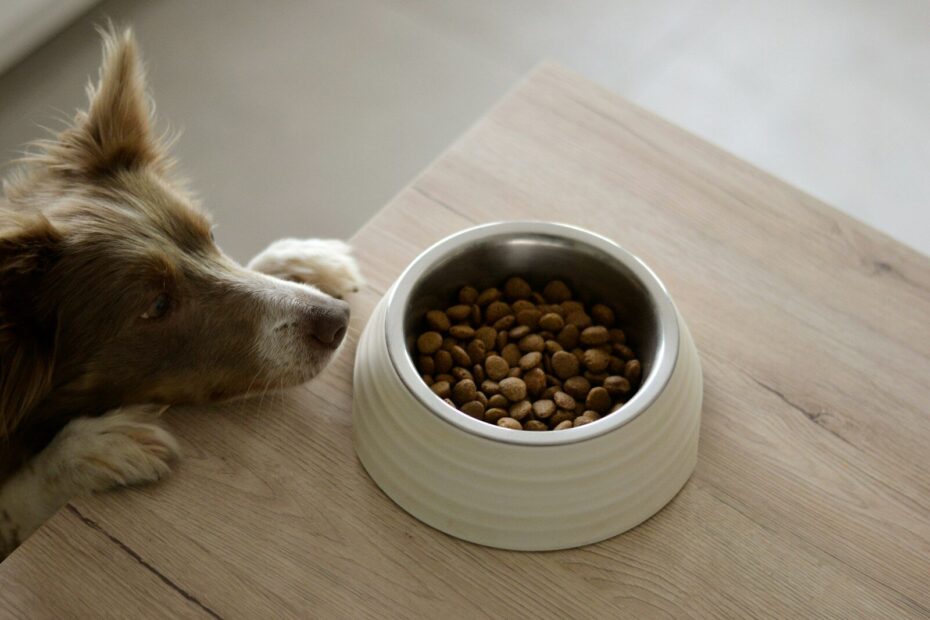
Dog food portions directly impact your pet’s health and energy levels. You need the right amount based on weight, age, and activity. Follow these clear steps to determine exactly how much to feed your dog each day for optimal well-being.
Evaluating Biological Factors for Caloric Needs
Before determining how much to feed your dog, assess key biological factors that directly influence caloric requirements. These include age, weight, breed, and overall health status. A growing puppy needs more energy per pound than a senior dog, and certain breeds have genetically influenced metabolic tendencies. Underlying medical conditions like hypothyroidism can also reduce energy needs.
- Your dog’s life stage affects energy demands
- Breed size and genetic background shape metabolism
- Neutering status can lower caloric needs by up to 30%
After accounting for these biological variables, you can make a more accurate estimate of daily caloric intake.
Determining Life Stage and Breed Requirements
With puppies, rapid growth demands higher calorie and nutrient density, typically requiring food formulated for growth stages. Adult dogs need maintenance-level calories, while seniors often require fewer due to reduced activity and slower metabolism. Small breeds burn energy faster and may need more calories per pound than large breeds, which are prone to overfeeding. Your dog’s breed-specific tendencies-like a Border Collie’s high drive or a Bulldog’s low tolerance for heat and exercise-also shape dietary needs. Matching food to life stage and breed ensures balanced nutrition.
Assessing Daily Activity and Metabolic Rate
Rate your dog’s daily movement honestly-leisurely walks differ from herding, agility training, or frequent hiking. Active dogs may need 1.5 to 2 times more calories than sedentary ones. Even within the same breed, individual metabolic rates vary; some dogs stay lean on less food, while others gain weight easily. Consider spaying or neutering, as it often reduces energy needs. Environmental factors like cold weather can also increase calorie demands.
Needs shift daily based on what your dog actually does, not just breed averages. A working dog in cold climates burns significantly more than a house dog with short walks. Monitor body condition regularly-visible ribs suggest underfeeding, while no waistline indicates overfeeding. Adjust portions by 10-15% based on activity fluctuations, and use feeding guides as starting points, not fixed rules.
How to Read and Interpret Nutritional Labels
There’s a lot of information packed into pet food labels, and knowing how to read them helps you make informed choices for your dog. Start by checking the ingredient list-ingredients are listed by weight, so those at the top make up the largest portion of the food. Look for named animal protein sources like “chicken” or “beef” rather than vague terms like “meat meal.”
Identifying Caloric Density (kcal/kg)
The caloric density tells you how much energy is packed into each kilogram of food, usually listed as kcal/kg. This number is imperative for portion control, especially if your dog needs to lose, gain, or maintain weight. Check the feeding guide on the bag, but always adjust based on your dog’s activity level and body condition.
Understanding the Guaranteed Analysis
Labels must include a guaranteed analysis, which lists minimum percentages of protein and fat and maximum percentages of fiber and moisture. These values help compare foods, but they don’t tell the full story about ingredient quality. Always consider the source of the nutrients, not just the amounts listed.
Another factor to keep in mind is that the guaranteed analysis doesn’t reflect digestibility or bioavailability-how well your dog can absorb and use the nutrients. A food might meet protein requirements on paper, but if it comes from low-quality sources, your dog may not benefit as much. Focus on both the numbers and the ingredient quality.
Step-by-Step Guide to Calculating RER and DER
The process of determining your dog’s daily caloric needs starts with two key values: Resting Energy Requirement (RER) and Daily Energy Requirement (DER). These numbers help you tailor food portions to your dog’s unique metabolism and lifestyle.
| Term | Definition |
|---|---|
| RER | Calories needed for basic bodily functions at rest |
| DER | Total calories needed daily, including activity and other factors |
Calculating Resting Energy Requirements
Resting Energy Requirement (RER) is calculated using your dog’s body weight in kilograms raised to the ¾ power, then multiplied by 70. The formula is: RER = 70 × (weight in kg)^0.75. For example, a 10 kg dog would need about 400 kcal per day at rest. This number forms the foundation for determining total daily intake.
Applying Multipliers for Total Daily Energy
Some dogs need more energy than others based on age, activity level, or health status. Multiply your dog’s RER by a factor that reflects their life stage and lifestyle-such as 1.6 for an active adult or 2.0 for a growing puppy. This gives you the DER, the actual number of calories your dog should consume each day.
Energy needs vary widely. A senior dog may only need 1.2 times their RER, while a working dog could require up to 3.0 times RER. Always adjust portions if your dog gains or loses weight unexpectedly. Monitor body condition and consult your vet to fine-tune the multiplier for long-term health.
Professional Tips for Precise Portion Measurement
Keep your dog’s health on track by measuring food with consistency. Use standardized measuring cups or, better yet, a digital scale for accuracy. Free-feeding leads to overeating, so stick to scheduled meals. Know your dog’s ideal weight and adjust portions as needed.
- Always check the feeding guidelines on your dog food packaging as a starting point
- Adjust for age, activity level, and metabolism
- Reassess portions every few months
Thou hold the power to prevent obesity and support long-term wellness through disciplined portion control.
Utilizing Digital Scales for Consistency
Little changes in portion size add up over time. A digital kitchen scale removes guesswork and delivers exact measurements in grams or ounces. This precision matters most for small dogs or those on restricted diets. Calibrate your scale regularly and use the same container each time for reliable results. Consistency supports stable energy and weight management.
Accounting for Caloric Intake from Treats
One overlooked factor in portion control is treat consumption. Every biscuit or chew adds calories that count toward your dog’s daily total. Reduce meal portions slightly to compensate for treats, especially high-calorie ones. Opt for healthy, low-calorie options like carrot pieces or freeze-dried liver in moderation.
Precise portioning means including all food sources in your dog’s daily intake. If you give a 30-calorie treat, subtract that from their main meal. Many owners unknowingly exceed daily needs by 10-20% just through treats. Track everything to maintain balance and prevent weight gain.
Monitoring Body Condition for Ongoing Adjustments
For accurate feeding, you need to assess your dog’s body condition regularly. A dog’s ideal weight isn’t just about the number on the scale-it’s about how they look and feel. You should be able to feel their ribs with light pressure and see a visible waist when viewed from above. Changes in activity, age, or health can affect their needs, so ongoing observation ensures their diet stays aligned with their current condition.
Using the Body Condition Score (BCS) Chart
Any dog owner can use the Body Condition Score (BCS) chart as a visual guide to assess their pet’s weight. The chart typically uses a 9-point scale, where 4-5 is ideal. You should see a tucked abdomen and a defined waist, and ribs should be palpable under a thin layer of fat. Comparing your dog to the images monthly helps catch subtle changes early.
Adjusting Portions Based on Weight Fluctuations
To keep your dog at a healthy weight, adjust their food portions if you notice consistent gain or loss over a few weeks. Small changes-just 10% more or less-can make a difference. Track their weight monthly and pair that with BCS assessments to guide portion size. Activity level and life stage also influence needs, so stay flexible.
Chart your dog’s weight and body condition every month to spot trends. If your dog gains weight without a change in activity, reduce their daily intake by 5-10%. If they’re losing weight or seem too thin, increase portions gradually. Always make changes slowly and consult your vet if fluctuations persist, as they may signal underlying health issues.
Conclusion
As a reminder, calculating your dog’s daily food portions starts with knowing their weight, age, activity level, and the calorie content of their food. You use this information to match their intake with their energy needs, adjusting as they grow or their lifestyle changes.
Your dog’s health depends on consistent, accurate feeding. Rely on your veterinarian’s guidance and the feeding chart on the food packaging as practical tools. Watch your dog’s body condition and adjust portions to maintain a healthy weight over time.