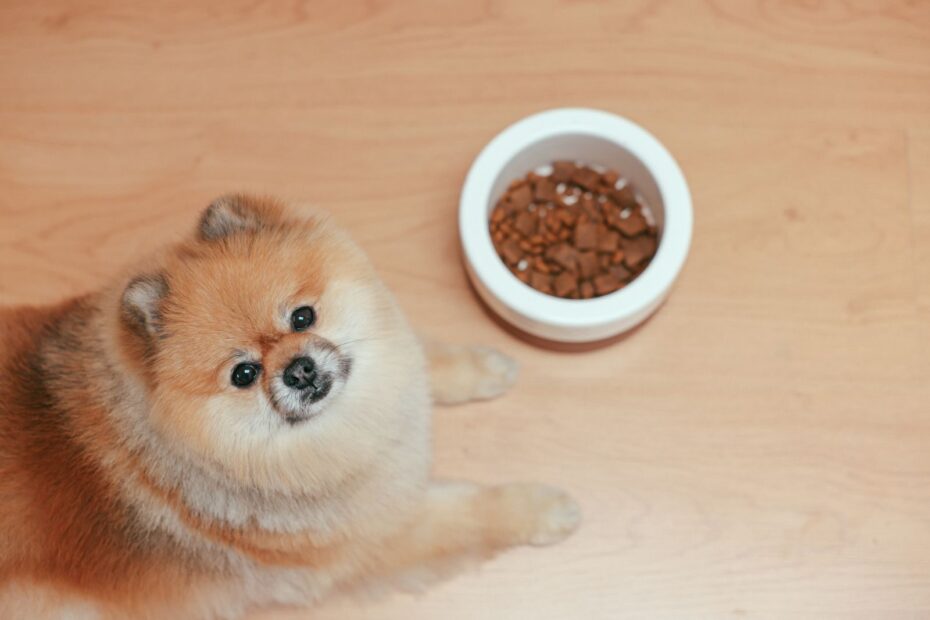
There’s a growing concern about what’s really in your pet’s bowl. You trust commercial pet food to be safe, but studies show many brands contain contaminants like mycotoxins, heavy metals, and bacteria. These substances can harm your pet’s health over time, making it crucial to know what to look for and how to choose safer options.
The Heavy Metal Burden
For many pets, daily meals may carry an invisible risk-exposure to heavy metals like lead, mercury, and cadmium. These contaminants often enter commercial pet food through contaminated ingredients, especially animal by-products and poorly sourced minerals. Over time, even low-level exposure can accumulate in your pet’s body, potentially leading to organ damage and neurological issues. Regulatory oversight exists, but limits for some metals in pet food remain inconsistent or unenforced.
Lead Accumulation in Bone Meal
Heavy metals like lead often concentrate in animal bones, making bone meal a common vector for contamination. When manufacturers use bones from animals raised in polluted environments, lead can persist through processing. You may unknowingly feed your pet products containing this tainted ingredient, especially in lower-cost diets. Chronic ingestion, even in small amounts, increases the risk of developmental and cognitive problems, particularly in young animals.
Mercury Concentrations in Aquatic Proteins
Aquatic ecosystems frequently absorb industrial pollutants, leading to mercury buildup in fish used for pet food. Species high on the food chain, such as tuna and mackerel, tend to carry higher mercury levels. When these fish are processed into kibble or canned formulas, the toxin remains. Your pet’s regular consumption of such proteins can result in gradual mercury accumulation, affecting kidney and nervous system function over time.
In addition, mercury exists primarily as methylmercury in fish, a form that binds easily to proteins and resists breakdown during digestion. This means nearly all mercury ingested is absorbed into your pet’s bloodstream. Because pets often eat the same food daily for years, the long-term exposure risk is greater than for humans, who typically vary their diets more. Choosing fish-based foods sourced from cleaner waters and lower-mercury species can reduce this hidden hazard.
The Silent Threat of Mycotoxins
While you carefully choose your pet’s food for optimal health, invisible dangers like mycotoxins may still lurk in the bag. These toxic compounds are produced by molds that grow on crops before or after harvest, especially under warm, humid conditions. Even trace amounts can harm your pet over time, affecting the liver, kidneys, and immune system. Regulatory standards exist, but contamination can slip through, making awareness important for every pet owner.
Aflatoxins within the Grain Harvest
An unavoidable risk in grain-based pet foods is aflatoxin, a potent mycotoxin produced by Aspergillus molds. These molds thrive in corn, wheat, and other grains exposed to heat and moisture in the field or during transport. Your pet may show no immediate signs, but chronic exposure can lead to serious liver damage. Testing and sourcing ingredients from reputable suppliers help reduce risk, but vigilance remains your best defense.
Vomitoxin and the Dampness of Storage
Before you pour another bowl of kibble, consider how vomitoxin-also known as deoxynivalenol-forms during improper storage. This mycotoxin comes from Fusarium molds that grow on grains kept in damp, cool conditions. It can cause appetite loss, vomiting, and digestive distress in your pet, even at low levels. Unlike spoilage you can see or smell, vomitoxin is invisible, making it a hidden hazard in seemingly fresh food.
Due to its stability during processing, vomitoxin survives cooking and extrusion, meaning contaminated ingredients can end up in the final product. You have no way to detect it at home, and symptoms may be mistaken for other illnesses. Routine testing by manufacturers and proper grain drying and storage are key to minimizing exposure, but you should stay informed about ingredient sources and recall histories.
Pathogens in the Processing Plant
Assuming you trust that commercial pet food is sterile upon packaging, you may be unaware of how pathogens can infiltrate during processing. Even in facilities with strict hygiene protocols, environmental bacteria like Salmonella and Listeria can persist in hard-to-clean equipment or drainage systems. Cross-contamination can occur when raw ingredients enter the facility or when equipment is inadequately sanitized between batches.
Salmonella Persistence in Dry Kibble
Between production cycles, Salmonella can survive in dry, warm areas of processing equipment, especially if moisture is introduced during cleaning. Though kibble is heat-treated, post-processing contamination remains a risk if surfaces or packaging materials are exposed. You should know that even a small number of surviving bacteria can multiply under improper storage conditions, posing health threats to pets and humans alike.
Listeria Risks in Raw Formulations
Listeria thrives in cold, moist environments, making raw pet food processing lines particularly vulnerable. You are exposing your pet to higher risk when feeding raw diets, as these products are not subjected to kill steps like cooking. Contamination can originate from raw meat, poultry, or even facility surfaces, and Listeria monocytogenes can grow even under refrigeration.
Salmonella and Listeria are not just concerns during manufacturing-they can affect your home environment. When you handle contaminated raw pet food, you risk transferring pathogens to kitchen surfaces, utensils, or your own food. Pets may not always show symptoms but can still shed bacteria, putting infants, elderly family members, or immunocompromised individuals at risk. Testing and strict sourcing help, but no raw product can be guaranteed pathogen-free.
Synthetic Preservatives and Their Toll
Despite their widespread use in commercial pet food, synthetic preservatives pose real risks to your pet’s long-term health. These chemicals extend shelf life but may come at the cost of cellular stress and organ strain over time. You’re likely feeding them to your pet without realizing their presence in everyday kibble.
Ethoxiquin and the Biological Cost
Between 1986 and 1998, the FDA received hundreds of reports linking ethoxiquin in pet food to kidney and liver damage in dogs. This synthetic antioxidant, originally developed as a pesticide, persists in some fish-based pet foods. Your pet’s body must process this compound with every meal, increasing metabolic burden.
BHA and BHT in Rendered Fats
Among the most common additives in rendered animal fats are BHA and BHT, used to prevent oxidation. These preservatives are effective at preserving fats but have raised concerns due to their potential endocrine-disrupting properties. You may not see immediate effects, but chronic exposure could influence your pet’s hormonal balance.
Fats used in pet food often come from low-grade animal byproducts prone to rancidity. BHA and BHT are added to stabilize these fats, masking poor ingredient quality. While approved in limited amounts, long-term ingestion may contribute to cellular instability. You’re trusting these chemicals to keep food fresh, but their biological impact deserves closer scrutiny.
Industrial and Chemical Residues
Many commercial pet foods contain traces of industrial and chemical residues absorbed during processing or introduced through contaminated ingredients. These substances often stem from environmental pollution, non-organic farming practices, or improper handling of raw materials. You are likely unaware that routine exposure to low levels of such compounds may accumulate over time, potentially affecting your pet’s long-term health.
Glyphosate Traces in Legume Fillers
Chemical residues like glyphosate, a widely used herbicide, are frequently detected in legumes such as peas and lentils-common fillers in grain-free pet foods. These crops are often grown in fields treated with glyphosate, leading to residue retention even after harvesting and processing. You may be feeding your pet foods labeled as healthy while unknowingly exposing them to herbicide traces linked to microbiome disruption and chronic inflammation.
Pentobarbital and the Rendering Vat
With some rendered animal by-products sourced from euthanized animals, traces of pentobarbital-a drug used in animal euthanasia-have been found in commercial pet food. Regulatory testing has confirmed its presence, raising serious concerns about ingredient sourcing and quality control. You have a right to expect that your pet’s food does not contain drugs intended to end life.
It enters the supply chain when animals euthanized at shelters or veterinary clinics are processed in rendering facilities without proper screening. Even small amounts of pentobarbital can be harmful, especially to smaller or sensitive pets. Manufacturers are not always required to disclose the origin of rendered fats or meals, leaving you with little transparency about what truly goes into the kibble you serve.
The Fragile Shield of Oversight
Keep in mind that regulatory oversight in pet food is not as strong as many assume. The FDA sets baseline standards, but enforcement often lags behind emerging risks. Recalls usually happen only after pets fall ill, not from proactive detection. You rely on a system designed to react, not prevent.
FDA Standards and Recall Triggers
Shield gaps exist even within established FDA protocols. The agency allows certain contaminants at trace levels, assuming minimal risk. Recalls typically follow confirmed illness clusters or lab findings of harmful substances like aflatoxin or salmonella. You should know that not all contaminated batches are caught before reaching store shelves.
Transparency in Ingredient Sourcing
Around 40% of pet food manufacturers do not disclose full sourcing details for key ingredients. You have no way to verify whether meat, grains, or additives come from facilities with consistent safety records. Hidden supply chains increase the risk of contamination going unnoticed.
At major pet food brands, ingredient traceability often stops at the processor level. You are not told which farms or countries supply raw materials, making it difficult to assess exposure to pesticides, heavy metals, or adulterated components. Full transparency would let you make informed choices based on actual sourcing practices, not marketing claims.
Conclusion
Upon reflecting on the common contaminants found in commercial pet food, you recognize that heavy metals, mycotoxins, bacteria, and undeclared ingredients are recurring issues. These substances can enter the supply chain through poor ingredient sourcing, inadequate processing, or lack of oversight. You are responsible for making informed choices, as your pet’s health depends on the quality and safety of their food. Regularly reviewing product recalls and choosing brands with transparent testing practices helps reduce risk.
You now understand that not all pet food is held to the same safety standards. By staying alert and informed, you protect your pet from preventable harm. Your awareness shapes better feeding habits and encourages higher industry accountability.