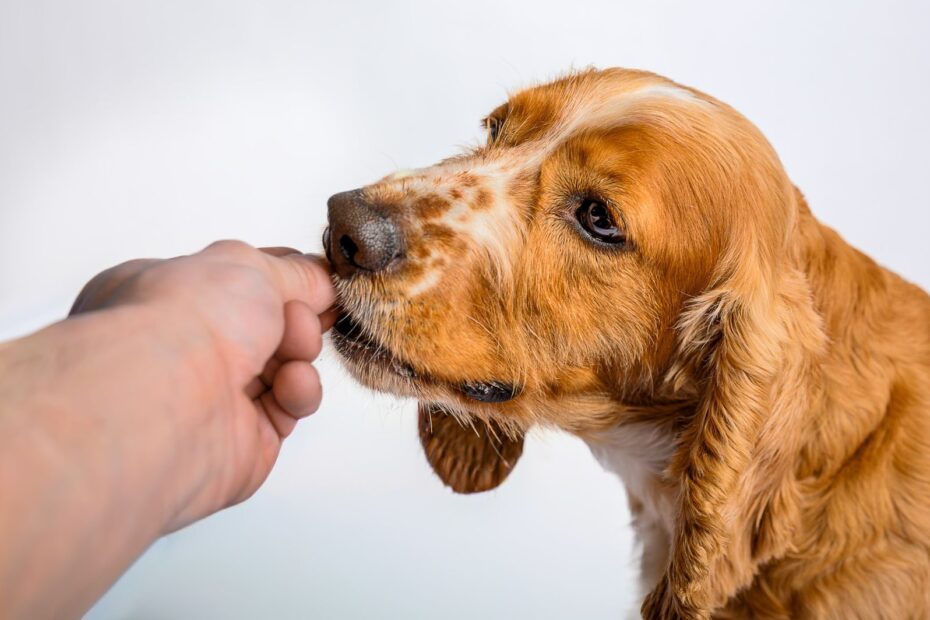
Safety begins long before pet food reaches your home. You rely on consistent testing to ensure every batch meets strict standards. Manufacturers conduct ingredient screening, pathogen checks, and nutritional analysis. Independent labs verify results, and regulatory bodies oversee compliance. You can trust the process because your pet’s health depends on it.
The Laboratory Gatekeeper
A team of scientists stands between your pet’s food and the store shelf. You rely on their work every time you pour kibble into a bowl. Each ingredient batch undergoes chemical and microbial screening to detect contaminants like salmonella, heavy metals, or pesticide residues. Labs use precise instruments to verify nutrient levels match label claims, ensuring consistency and safety.
You never see this stage, but it shapes every bite your pet takes. Samples from production runs are preserved and retested if concerns arise. These protocols follow strict regulatory standards, designed to catch problems before they reach your home. Your pet’s health depends on this silent, systematic review.
The Nutritional Blueprint
The nutritional blueprint of pet food defines what goes into every bite your pet consumes. You rely on this formulation to meet your pet’s biological needs, and manufacturers build it using species-specific dietary requirements established by veterinary nutritionists.
The balance of proteins, fats, vitamins, and minerals is tested against AAFCO standards to ensure completeness and safety. Every ingredient serves a purpose, and deviations from the blueprint can impact your pet’s long-term health. Your pet’s well-being depends on consistent adherence to these science-backed formulations before the product ever reaches store shelves.
The Heat of the Process
Before your pet’s food reaches the bag, it undergoes intense thermal processing designed to eliminate harmful bacteria like Salmonella and E. coli. You rely on this step to ensure every bite is safe, and manufacturers use precise temperature controls during cooking and extrusion to achieve that. The heat applied isn’t arbitrary-it follows strict time-temperature protocols validated through scientific testing.
You should know that after heating, the food is rapidly cooled to preserve nutrients and prevent spoilage. This balance between safety and nutrition is monitored continuously, with samples tested for microbial contamination before the product moves forward. What ends up in your pet’s bowl has already passed multiple checkpoints rooted in food science and regulatory standards.
The Regulatory Shield
Even before pet food reaches store shelves, it must pass strict safety standards enforced by regulatory agencies like the FDA and AAFCO. You rely on these products to keep your pets healthy, and regulators ensure every ingredient and formulation meets defined safety benchmarks. Each batch is subject to labeling accuracy, contamination checks, and nutritional adequacy testing.
You expect consistency and safety, and regulatory oversight delivers that through routine inspections and mandatory compliance protocols. Manufacturers must document sourcing, production, and testing procedures, giving you confidence that what you feed your pet has been thoroughly evaluated and approved.
Summing up
Summing up, you rely on strict safety protocols every time you buy pet food. Manufacturers test ingredients and final products through controlled laboratory analysis, microbial screening, and feeding trials to meet regulatory standards. You are protected by oversight from agencies like the FDA and AAFCO, which enforce labeling accuracy and nutritional adequacy. These steps ensure the food you feed your pet supports long-term health.
You should know that batch testing and traceability systems allow quick recalls if contamination occurs. Quality control is continuous, not a one-time check. Your pet’s safety depends on this structured, science-based approach applied before any product reaches store shelves.