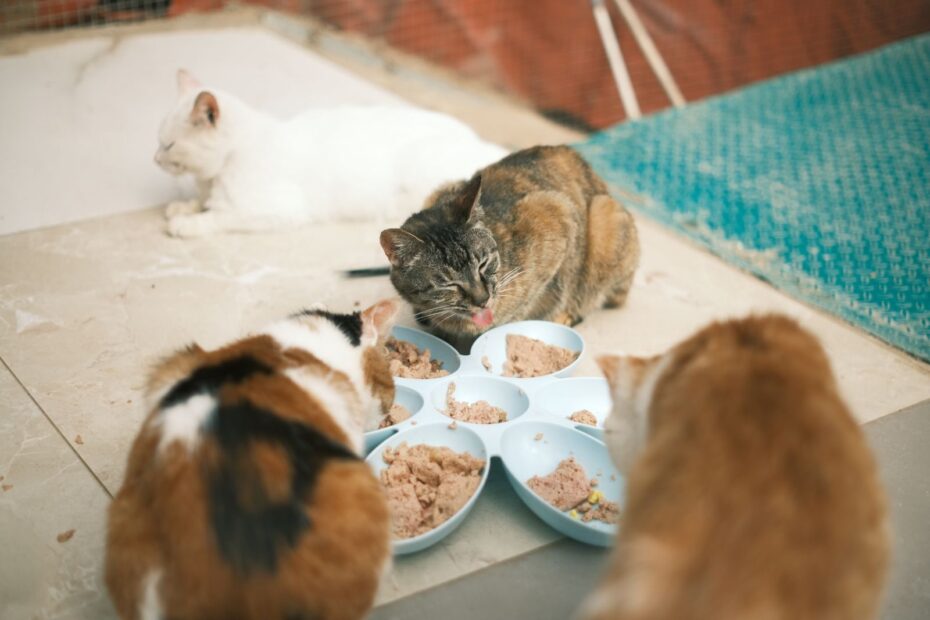
There’s a growing interest in raw diets for pets, but safe handling and proper storage are important to protect both animal and human health. You must treat raw meat as a potential source of harmful bacteria. By following clear, science-based practices, you reduce the risk of contamination and ensure your pet receives the benefits of a raw diet without unnecessary danger.
The Sourcing Grift
For raw pet diets, where you source ingredients matters more than price or convenience. Feeding uncooked meat means pathogens like Salmonella or E. coli can remain active, making supplier hygiene and handling practices non-negotiable. Commercial pet food undergoes safety checks, but raw diets often bypass these safeguards, especially when bought from unregulated vendors or online sellers without traceable supply chains.
Trusting the Provenance
Trusting your supplier means knowing exactly where the meat came from and how it was handled before it reached you. Reputable farms or specialty raw pet food brands provide batch numbers, kill dates, and processing details. You should be able to confirm if animals were raised humanely and processed in USDA- or equivalent-regulated facilities. If a supplier hesitates to share this information, walk away.
Inspecting the Goods
Beside knowing the source, you must inspect every package upon arrival. Look for intact vacuum seals, consistent coloring in the meat, and absence of foul odors. Ice crystals or freezer burn suggest temperature fluctuations that compromise safety. Reject any product that arrives thawed or in damaged packaging.
To ensure safety, examine texture and smell immediately after opening. Slimy surfaces or sour smells are red flags, even if the product was frozen. These signs suggest bacterial growth before freezing. Always store raw food at or below 40°F (4°C) and use within two days of thawing.
Kitchen Warfare Hygiene
The raw diet demands strict kitchen hygiene to prevent cross-contamination. Every surface, tool, and hand that touches raw meat, poultry, or fish becomes a potential pathogen carrier. You must treat your kitchen like a controlled environment-separate cutting boards, dedicated utensils, and immediate cleaning after each use are non-negotiable. Raw juices spread bacteria like Salmonella and E. coli quickly, so vigilance is part of your daily routine.
Bleaching the Board
To sanitize cutting boards after handling raw animal products, wash with hot, soapy water first. Then apply a solution of one tablespoon of unscented bleach per gallon of water, let it sit for a few minutes, and rinse thoroughly. This step kills lingering bacteria on both plastic and wooden boards. Replace worn boards with deep grooves where bacteria can hide.
Hand Washing Discipline
To protect yourself and others, wash your hands immediately after touching raw ingredients. Use warm water and soap, scrubbing for at least 20 seconds, especially under nails and between fingers. Rinsing alone isn’t enough-soap disrupts harmful microbes. Dry with a clean towel, not a dishcloth used for other tasks.
With raw foods, hand contact is unavoidable, making consistent hand washing one of your strongest defenses. You may think a quick rinse is enough, but studies show proper technique reduces contamination risk significantly. Make it a reflex: every time you touch raw meat, poultry, or fish, stop and wash before moving to another task.
Storage Cellar Tactics
Once again, proper temperature control separates safe raw diets from risky ones. Your storage cellar must maintain a steady temperature below 40°F to inhibit bacterial growth. Use a reliable thermometer to monitor conditions daily, and avoid overcrowding shelves to allow consistent air circulation. Keep raw ingredients in designated, sealed containers to prevent cross-contamination with ready-to-eat foods.
Sealing the Flavor
Behind every safe raw meal is an airtight seal. Use vacuum-sealed bags or rigid, leak-proof containers to lock in freshness and block pathogens. Oxygen exposure degrades nutrients and encourages spoilage, so eliminate air before storing. Label each package with date and contents to track freshness and ensure rotation.
Bottom Shelf Logic
Before storing raw meats or fish, place them on the lowest shelf of your cellar or refrigerator. This prevents drips from contaminating other foods below. Use trays or bins to catch leaks and make cleanup easier. Always store raw items in sealed containers, even if pre-packaged.
Consequently, placing raw ingredients on the bottom shelf creates a physical barrier between potential contaminants and ready-to-eat items. Cold air sinks, so the lowest area is typically the coldest, offering extra protection against microbial growth. This simple placement habit strengthens your entire storage system.
The Expiration Ticking Clock
Not all raw foods last the same amount of time, and assuming they do puts your health at risk. Raw meat, poultry, and seafood begin deteriorating quickly, even when refrigerated. You must treat each item based on its type and packaging date, not just the sell-by label. Time starts the moment the product leaves controlled storage, and every minute at unsafe temperatures accelerates bacterial growth.
Immediate Consumption Rules
The safest raw meals are those consumed shortly after preparation or purchase. If you thaw raw food in the refrigerator, use it within one to two days. Never leave raw ingredients at room temperature for more than 30 minutes. Once prepped, serve immediately or return to refrigeration below 40°F. Your plate should never hold raw items that have been sitting out, even if they look fresh.
Spotting the Spoilage
Below the surface, spoilage isn’t always obvious. Trust your senses-off odors, slimy textures, or color changes signal danger. Grayish beef, sour-smelling fish, or poultry with a sticky film should be discarded. These signs mean bacteria have multiplied beyond safe levels, even if the food hasn’t passed its date.
It’s common for spoilage to begin in areas you can’t see, especially in ground or vacuum-sealed products. Gas buildup in packaging, a dull sheen on meat, or an unusual tang in smell are early warnings. You don’t need lab tests-your nose and eyes are effective tools. When in doubt, throw it out. Your health isn’t worth the risk of guessing.
Thawing the Frozen Beast
Many raw pet food diets come frozen for safety and freshness. How you thaw them matters just as much as how you store them. Improper thawing can allow harmful bacteria to multiply rapidly, putting both you and your pet at risk. You must handle frozen raw food with the same care as fresh meat.
Slow Refrigerated Melts
Thawing raw food in the refrigerator keeps it out of the temperature danger zone. Place the sealed package on a plate in the lower compartment to prevent cross-contamination. Allow 12 to 24 hours for complete thawing, depending on portion size. This method ensures a slow, safe transition from frozen to feeding temperature.
Avoiding the Danger Zone
Zone temperatures between 40°F and 140°F let bacteria like Salmonella and E. coli grow quickly. Never thaw raw pet food on the counter or in warm water. These methods create unsafe conditions within hours, even if the food looks unchanged.
Understanding how fast bacteria multiply at room temperature changes how you handle thawing. A piece of raw meat can enter the danger zone within 20 minutes in a warm kitchen. You protect your pet by keeping food cold until it’s ready to serve. When in doubt, use the fridge or discard the food-your pet’s health depends on it.
Final Words
Raw diets demand careful handling and proper storage to protect your health. You are responsible for maintaining cleanliness, separating raw foods from ready-to-eat items, and storing ingredients at safe temperatures. Cross-contamination and bacterial growth are real risks, but they are manageable with consistent hygiene and prompt refrigeration. Following these guidelines reduces the chance of foodborne illness and supports safe dietary choices.
Your actions in the kitchen directly impact food safety. Treat raw ingredients with caution, use separate cutting boards and utensils, and never leave perishables unrefrigerated for more than two hours. When you follow these practices, you maintain control over the safety of your meals and protect yourself and others from preventable harm.