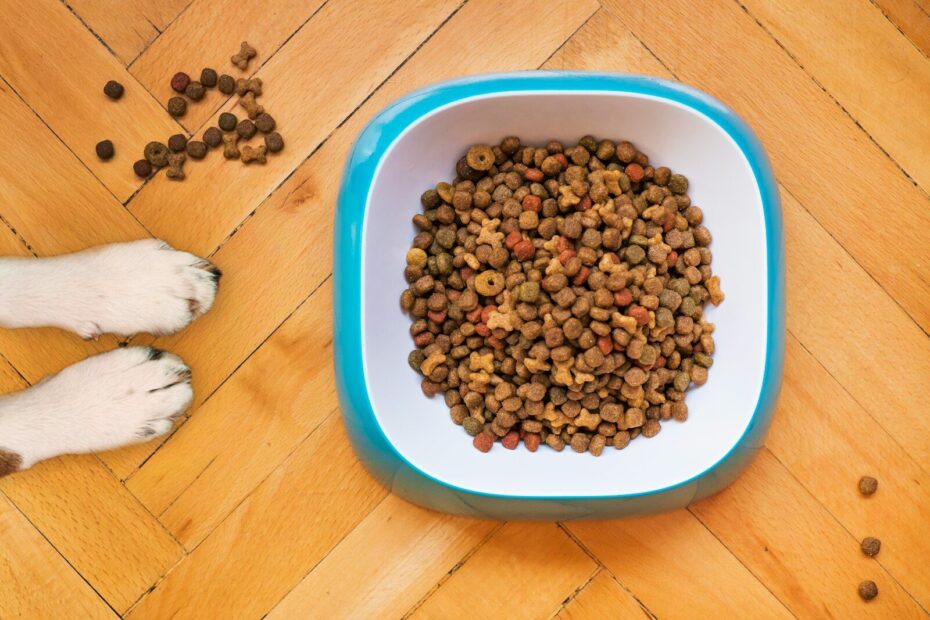
With your senior dog’s metabolism slowing and muscle mass decreasing, their nutritional needs shift significantly. You should adjust protein and fat levels to support joint health, maintain lean body mass, and manage weight. High-quality, easily digestible protein and controlled fat intake help sustain energy without overburdening aging organs.
Protein for the Frame
To maintain muscle mass and support joint health, your senior dog needs a steady supply of high-quality protein. As dogs age, their bodies become less efficient at using protein, making it necessary to provide adequate levels in their diet. Lean meats like chicken, turkey, and fish offer amino acids that help preserve strength and mobility.
Reducing protein too much can lead to muscle wasting, weakness, and slower recovery from illness. Your older dog isn’t as active, but their body still relies on protein to repair tissues and sustain organ function. Feeding the right amount supports a healthier, more comfortable senior life.
The Fat Balance
Aging slows your senior dog’s metabolism, making fat intake a key factor in maintaining a healthy weight. Too much fat can lead to obesity and joint stress, while too little may deprive them of needed energy and crucial fatty acids. You should aim for a moderate, high-quality fat level that supports skin, coat, and cognitive health without excess calories.
Your dog’s activity level and existing health conditions directly influence their ideal fat intake. Dogs with pancreatitis or heart issues often require lower fat diets, while underweight seniors may benefit from slightly more. Always choose sources like fish oil or chicken fat for better digestibility and long-term wellness.
Digestive Efficiency
Any changes in your senior dog’s digestion affect how well they absorb nutrients from food. As dogs age, their digestive system slows, reducing the efficiency of breaking down and utilizing protein and fat. This means even high-quality ingredients may not deliver the same benefits they once did.
Your dog may show subtle signs like softer stools, weight loss, or lower energy, indicating their body isn’t processing nutrients effectively. Choosing highly digestible proteins and moderate, balanced fat levels supports easier digestion and helps maintain muscle and energy without overburdening the system.
Signs of Deficiency
One sign your senior dog may not be getting enough protein is muscle loss, especially along the back and hips. You might notice your dog struggling to stand, climb stairs, or show less enthusiasm during walks. Poor coat condition, such as dullness or excessive shedding, can also point to inadequate protein intake.
Fat deficiency often reveals itself through dry, flaky skin and low energy levels. If your older dog seems unusually tired or takes longer to recover after light activity, their diet may lack sufficient healthy fats. These nutrients support joint health and cognitive function, both critical in aging dogs.
The Professional Path
Some veterinary nutritionists specialize in senior canine health, guiding you through evidence-based dietary choices. These professionals assess your dog’s organ function, activity level, and existing conditions to determine optimal protein and fat ratios.
You receive personalized recommendations that balance muscle maintenance with metabolic efficiency. Relying on expert analysis ensures your senior dog gets nutrition aligned with their changing physiology, supporting longevity and quality of life.
Conclusion
The changing metabolism and activity levels of senior dogs require adjusted protein and fat levels to support muscle maintenance and joint health. You see clearer benefits when diets align with their reduced energy needs while preserving lean body mass. High-quality, easily digestible protein helps counteract age-related muscle loss, and controlled fat intake prevents unhealthy weight gain. Your senior dog thrives when nutrition matches their life stage, promoting longevity and vitality without excess strain on organs.